May 18, 2026
Selecting a vehicle represents a significant milestone for any growing household. It involves balancing safety, space, and budget while navigating a crowded marketplace.
The process often begins with research and ends with a visit to a local used car dealer. By understanding your specific requirements, you can narrow down the vast selection of available models. This guide provides a comprehensive roadmap to help you navigate the complexities of purchasing a pre-owned vehicle for your family.
Assess Your Daily Capacity Requirements
Begin by evaluating how many passengers you need to transport on a regular basis. Consider whether you require third-row seating for carpools or if a standard sedan provides enough room for your children. Every family has unique spatial needs that dictate the ideal body style for their next purchase.
Think about the various activities that fill your weekly schedule. Sports equipment, groceries, and strollers all require ample cargo space. A versatile interior with folding seats can make a significant difference in how effectively you use the vehicle. Your local used car dealer can show you different configurations to suit these needs.
Small details often make the biggest difference during long trips. Look for multiple cup holders, charging ports for tablets, and climate control vents in the rear sections. These amenities keep everyone comfortable and reduce the frequency of complaints from the back seats during extended drives through the countryside.
- Evaluate legroom for growing teenagers.
- Check for easy LATCH system access for car seats.
- Measure the trunk depth for strollers and gear.
- Inspect the ease of entry for the rear rows.
Prioritize Advanced Safety Technologies
Safety remains the paramount concern for parents searching for a dependable ride. Modern pre-owned vehicles often come equipped with features like blind-spot monitoring and lane-departure warnings.
Reviewing crash test ratings from reputable organizations offers peace of mind before you sign any paperwork. Look for vehicles that earned top marks in side-impact and roof-strength tests. Discussing these safety ratings with a local used car dealer helps you identify which models have the best track records for protecting occupants.
Active safety systems can intervene when a driver is distracted or tired. Features such as forward collision alerts can warn you of a potential impact before it happens. In some cases, the vehicle might even apply the brakes automatically to mitigate the severity of a bump or avoid it entirely.
Passive safety is equally important for family protection. This includes the structural integrity of the frame and the placement of airbags throughout the cabin. Ensure that the specific model you choose includes side-impact protection for the passengers sitting in the very back of the vehicle.
- Seek out automatic emergency braking systems.
- Look for rearview cameras to assist with backing up.
- Verify the presence of side-curtain airbags for all rows.
- Research the stability control performance in wet weather.
Determine Your Total Ownership Budget
Establishing a clear financial boundary helps prevent overextending your household resources. Beyond the initial purchase price, you must account for insurance premiums, fuel consumption, and routine upkeep. A well-planned budget allows you to enjoy your vehicle without the burden of excessive monthly payments.
Many buyers find that financing through a local used car dealer offers convenient terms tailored to their credit history. Always compare the total cost of ownership across different models to see which one fits your lifestyle.
Fuel efficiency plays a massive role in the long-term cost of a family car. If you have a long daily commute, a hybrid or a fuel-efficient four-cylinder engine might save you a significant amount of money each month. Calculate your expected mileage to see how gas prices will impact your household savings.
Maintenance costs vary wildly between different makes and models. Some luxury brands require expensive parts and specialized labor, while domestic or popular import brands are usually cheaper to fix. Researching the average cost of common repairs can prevent financial stress down the road when parts eventually wear out.
Inspect the Mechanical Service History
The longevity of a pre-owned vehicle depends heavily on how the previous owners cared for the engine and transmission. According to ConsumerReports.org, many used cars can last well past 200,000 miles with proper maintenance. This fact highlights the importance of finding a vehicle with a documented history of oil changes and inspections.
Requesting a vehicle history report provides transparency regarding past accidents or major repairs. This document serves as a window into the life of the car before it reached the lot. A reputable local used car dealer will typically provide these reports to build trust with their customers.
Check the records for cooling system flushes and transmission fluid changes. These often-overlooked tasks are vital for preventing major mechanical failures as the vehicle ages. A car that has been babied by its previous owner is much more likely to provide you with years of trouble-free service.
Tires and brakes are also indicators of how well a car was maintained. If a vehicle has matching, high-quality tires with plenty of tread, it suggests the owner did not cut corners on safety. Uneven tire wear can sometimes signal alignment issues or suspension problems that you should investigate further.
- Check for consistent oil change intervals.
- Confirm that timing belt replacements occurred on schedule.
- Review records for brake and tire replacements.
- Scan for any history of major electrical repairs.
Conduct a Thorough Test Drive
Nothing replaces the experience of sitting behind the wheel and feeling how a car handles the road. Take the time to drive on various surfaces, including local streets and highways, to test the suspension and acceleration. Listen for any unusual noises that might indicate underlying mechanical issues.
Pay close attention to how the brakes feel when you come to a stop. They should feel firm and responsive without any pulsing or squealing sounds. Similarly, the steering should feel centered and stable, without pulling the vehicle to one side when you let go of the wheel momentarily.
Visibility from the driver's seat is a safety factor that people often overlook. Check for large blind spots caused by thick pillars or small windows. If you find it difficult to see around the car, you might want to look for a different model that offers a better field of vision. Your local used car dealer will encourage a comprehensive test drive to ensure the vehicle meets your expectations.
- Test the air conditioning and heating systems.
- Operate all windows and door locks.
- Check the intuitive nature of the infotainment system.
- Evaluate the smoothness of the gear shifts.
Finalize the Official Documentation
Once you find the perfect match, the final step involves completing the necessary legal paperwork. Ensure you understand the terms of the title transfer and any warranties that might apply to the sale. Clear communication during this phase prevents misunderstandings regarding your responsibilities as the new owner.
Reviewing the fine print ensures that you are protected and that the transaction is legitimate. Ask questions about registration fees and taxes so there are no surprises at the end. Working with a professional local used car dealer simplifies this process by handling much of the heavy lifting for you.
Check that the title is clean and free of any liens before you provide payment. Double-check that all the features promised in the listing are actually present and working. If the seller agreed to perform certain repairs before the sale, verify that the work was completed to your satisfaction.
- Confirm the accuracy of the VIN on all forms.
- Keep copies of the bill of sale for your records.
- Verify the expiration dates of any included limited warranties.
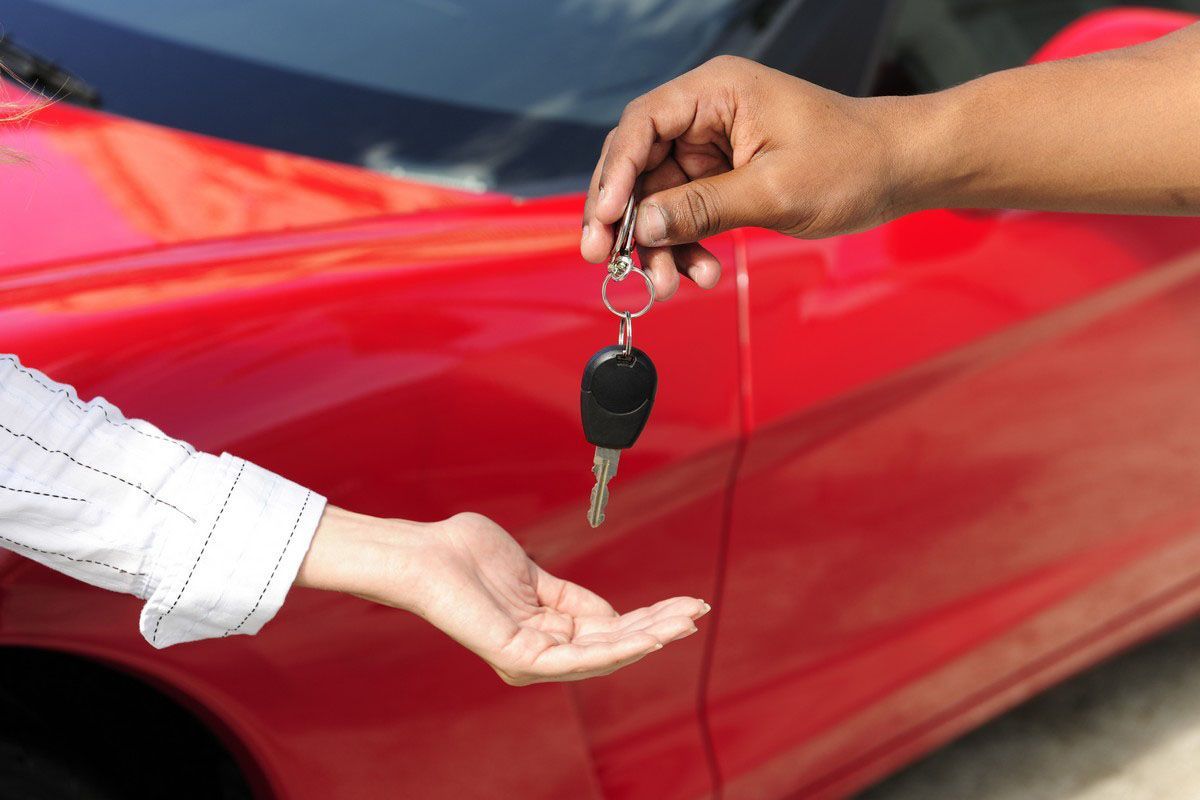
- Ensure all keys and remotes are handed over at closing.
Finding the right vehicle for your family requires patience, diligence, and the right partnership. By focusing on safety, space, and a proven maintenance history, you can secure a car that serves your household for years to come. Start your journey toward a better driving experience today by visiting Mel's Motors Used Car Sales Inc.